
Introduction
3 Waters refers to the three core components of water infrastructure in New Zealand: drinking water, wastewater, and stormwater.
These systems are essential to public health, environmental management, and the reliable operation of communities across urban and rural areas.
Traditionally, these networks have been managed through manual inspections, scheduled maintenance, and reactive responses to faults. While this approach remains widely used, it presents increasing challenges as infrastructure becomes more distributed and operational expectations increase.
IoT and LoRaWAN based monitoring solutions are increasingly being explored to support improved visibility, smart water metering, and more efficient management of water infrastructure.
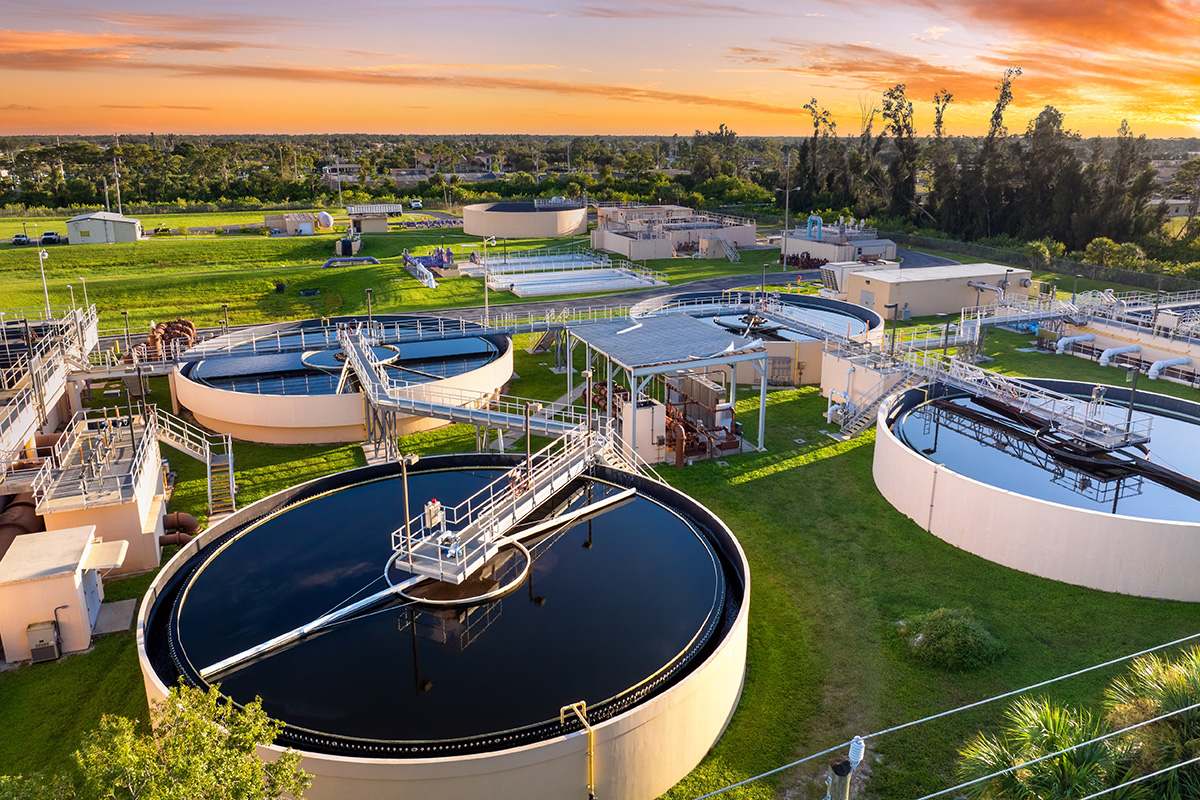
Understanding the 3 Waters System
Drinking Water
Drinking water infrastructure includes treatment plants, reservoirs, pump stations, storage tanks, and distribution pipelines. The focus is on maintaining consistent supply, water quality, and appropriate system pressure.
Wastewater
Wastewater systems transport used water from residential, commercial, and industrial sources to treatment facilities. Key operational priorities include preventing blockages, managing overflow risk, and maintaining environmental compliance.
Stormwater
Stormwater systems manage rainfall runoff and help reduce flooding impacts. These networks typically include drainage systems, culverts, and detention areas that require monitoring during rainfall events.
Together, these systems form the broader 3 Waters infrastructure network.
Operational Challenges in Water Infrastructure
Organisations responsible for water networks commonly face the following challenges:
Large and geographically dispersed infrastructure assets
Limited visibility between scheduled inspections
Reliance on manual site visits for data collection
Delayed detection of faults such as leaks, blockages, or equipment failure
Increasing requirements for compliance reporting and environmental oversight
Pressure to reduce water loss, improve operational efficiency, and better understand customer water consumption patterns
These challenges are often more pronounced in regional and rural environments where assets are widely distributed.
How IoT Supports 3 Waters Monitoring
IoT based monitoring introduces continuous visibility into water infrastructure through connected sensors deployed across key assets.
Continuous Asset Visibility
Sensors can monitor conditions such as water levels, pressure, flow, pump status, environmental variables, and water consumption through smart metering deployments. This enables ongoing awareness of system performance across distributed infrastructure networks.
Earlier Identification of Issues
Changes in normal operating conditions can be detected sooner, allowing for earlier investigation and response before issues escalate. This can help identify leaks, equipment faults, abnormal water usage, or developing network issues.
Reduced Reliance on Routine Inspections
Access to remote data can reduce the need for scheduled manual site visits, allowing field resources to be prioritised based on actual conditions.
Improved Reporting and Operational Insight
Continuous data collection supports more consistent reporting and helps inform maintenance planning, demand forecasting, asset management, and operational decision making.
Why LoRaWAN is Suited to Water Infrastructure
LoRaWAN is a long range, low power communication technology designed for distributed sensor networks.
It is commonly used in water infrastructure applications because it:
Supports communication across large geographic areas
Operates with low power consumption, enabling long battery life for sensors
Allows for scalable deployments across many assets
Can be deployed in areas where traditional connectivity is limited
These characteristics make LoRaWAN well suited to monitoring remote or widely distributed infrastructure such as tanks, pump stations, pipelines, water meters, and rural water systems.
Water infrastructure is often spread across large geographic areas, making traditional monitoring systems expensive to deploy and maintain. LoRaWAN provides a cost effective alternative by enabling sensors to communicate over long distances using very little power.
Low CapEx (Capital Expenditure)
LoRaWAN networks require less infrastructure than many traditional telemetry and monitoring systems. Fewer gateways, lower installation costs, and wireless deployment options can help reduce the upfront investment required to monitor tanks, pumps, pipelines, bores, water meters, and other water assets.
Low OpEx (Operational Expenditure)
LoRaWAN sensors are designed for low power consumption and can operate for years on a single battery. Combined with remote monitoring and automated alerts, this reduces site visits, manual inspections, maintenance costs, and operational overhead.
For councils, utilities, and rural water schemes, this means broader network visibility, improved asset management, and access to near real time data without the cost and complexity often associated with traditional monitoring solutions.
Common Applications in 3 Waters Monitoring
IoT monitoring solutions can be applied across a range of operational use cases:
Monitoring tank levels in water supply networks
Pump station performance and fault detection
Bore and groundwater level monitoring
Pipeline pressure and flow monitoring
Stormwater level monitoring during rainfall events
Wastewater overflow detection and alerting
Smart water metering and automated meter reading
Detection of abnormal consumption patterns and potential leaks
Monitoring district metered areas to help identify non revenue water
These applications support improved visibility across infrastructure networks and assist with prioritising maintenance activity.
Future Direction of Water Infrastructure Monitoring
Water infrastructure is facing increasing pressure from ageing assets, population growth, and environmental variability.
As a result, there is a growing shift towards more data informed and proactive approaches to asset management, water demand planning, and customer consumption monitoring.
IoT based monitoring supports this transition by:
Improving visibility across distributed infrastructure networks
Supporting earlier detection of faults and anomalies
Reducing reliance on manual inspection cycles
Assisting with operational planning, demand forecasting, and resource allocation
Supporting compliance and environmental reporting requirements
Enabling smart water metering and Advanced Metering Infrastructure (AMI) initiatives
Extending visibility beyond network assets to include rivers, lakes, dams, and catchment monitoring
These technologies do not replace operational teams but provide additional data to support decision making.
Conclusion
3 Waters infrastructure plays a critical role in the delivery of essential services across New Zealand.
While traditional monitoring approaches remain important, increasing complexity and scale are driving interest in connected monitoring solutions.
IoT and LoRaWAN technologies provide a practical approach to improving visibility, supporting operational efficiency, enhancing responsiveness across drinking water, wastewater, and stormwater systems, and enabling smart water metering initiatives.
By supporting earlier leak detection, reducing non revenue water, improving asset planning, and reducing reliance on manual processes, connected monitoring technologies can help utilities and councils make more informed operational decisions.
As adoption increases, these technologies are expected to become a more common component of modern water infrastructure management.
Learn More
If you are exploring how IoT and LoRaWAN could support 3 Waters monitoring within your water infrastructure network, Scopious can provide further technical information and examples of typical deployment approaches.
Download our Water Management & Utilities Solution Paper
https://scopious.co.nz/downloads/SolutionPaper-Efficient-Water-Management-Utilities.pdf
Request a 1-hour technical consultation:
https://scopious.co.nz/contact
